 Trade login
- Product News
Exploring Kitchens Built for Diversity
- What distinguishes multigenerational and accessible kitchen design and where do these two approaches converge or diverge?
- In what ways has the market for multigenerational and accessible design products evolved over the past year?
- Research suggests that multigenerational and accessible design operates along a scale, shaped by each family’s unique needs. Does this align with your findings or experience? If not, could you elaborate?
- What factors should guide retailers in determining the appropriate level of accessibility, and to what extent should future-proofing influence their decisions?
- How can designers achieve the right balance between incorporating the aesthetic features customers desire and ensuring the space remains functional and practical for years to come?
- How should designers and retailers approach initial conversations about accessible design and future-proofing?
- What terminology should be used to communicate effectively and respectfully in discussions about accessibility and inclusive design?
- What key considerations should retailers keep in mind when designing a kitchen for a multigenerational household?

The modern kitchen is no longer just a place to prepare meals. It’s a hub for connection, convenience, and inclusivity. As households evolve, the demand for designs that accommodate multiple generations, and diverse abilities has never been greater.
In this feature, Uform’s Showroom Designer Jack Pullan shares insights on creating kitchens that balance beauty with practicality, ensuring they meet the needs of every family member, today and in the future. From understanding the distinctions between multigenerational and accessible design to exploring where these approaches intersect, Jack offers expert guidance on layouts and features, that promote flexibility, safety, and style.
What distinguishes multigenerational and accessible kitchen design and where do these two approaches converge or diverge?
Multigenerational design is all about creating spaces that work for everyone in the household; kids, parents, and older adults. It focuses on flexibility, durability, and making things easy to use for all age groups. Accessible design, on the other hand, is centred around inclusivity for people with mobility challenges or disabilities, often following universal design standards.
But the key difference lies in the details. Accessible design centred around this may need to meet specific regulations like wheelchair turning or lowered countertops. Alternatively, multigenerational design aims for adaptability without necessarily ticking those regulatory boxes.
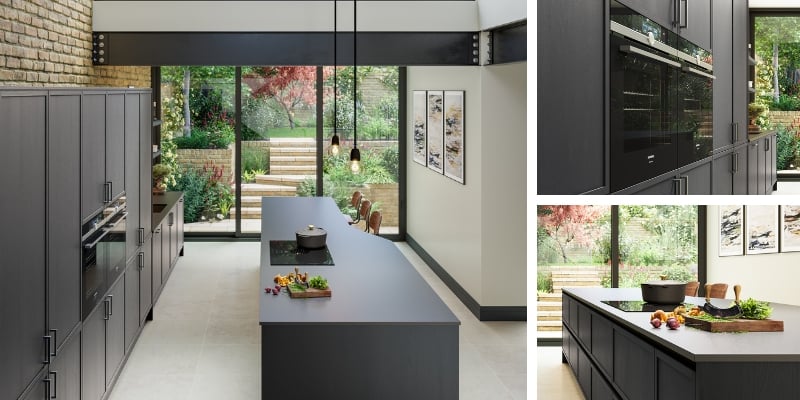
Aylesford – Graphite
In what ways has the market for multigenerational and accessible design products evolved over the past year?
Interest in multigenerational and accessible kitchen design has grown fast over the past year, driven by changing family setups and shifting priorities.
More families are living together, which means kitchens need to be flexible, offer plenty of storage, and support a bit of personal space. At the same time, accessible design has become a baseline expectation people want with inclusive features that look good and work well, like adjustable-height worktops and easy-to-navigate layouts.
It all points to a bigger shift: homeowners want kitchens that are practical, inclusive, and built to last. For the KBB industry, that means offering smart, adaptable solutions that suit all ages and abilities.
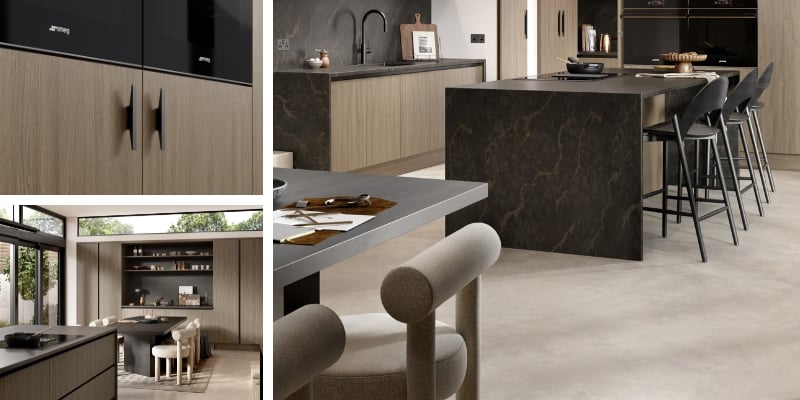
Versa – Stained Weathered Silver
Research suggests that multigenerational and accessible design operates along a scale, shaped by each family’s unique needs. Does this align with your findings or experience? If not, could you elaborate?
I agree, multigenerational/accessible design can exist on a sliding scale depending on the specific needs and preferences of the family. The design considerations may vary based on factors such as the number of generations living together, individual mobility requirements, and the overall lifestyle of the family members. Tailoring the design to accommodate the diverse needs of different family members is essential in creating a comfortable and functional living space for everyone, rather than sticking to common solutions.
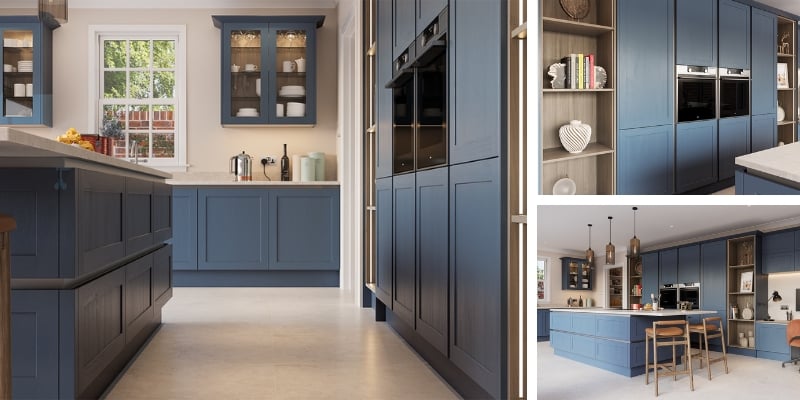
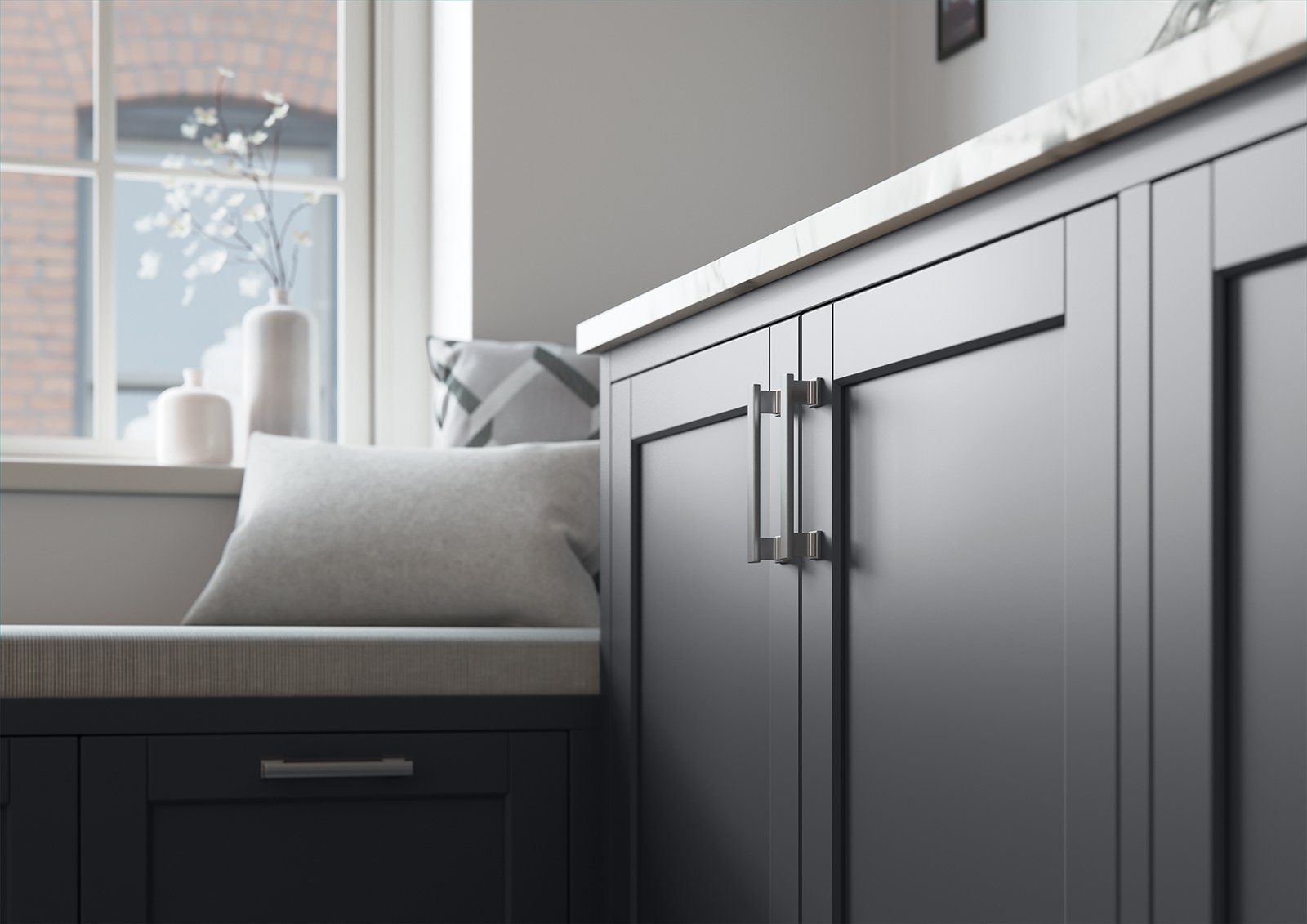
Aldana – Airforce
What factors should guide retailers in determining the appropriate level of accessibility, and to what extent should future-proofing influence their decisions?
Retailers can determine the necessary level of accessibility by conducting thorough assessments of their customer’s physical spaces and considering the diverse needs of the family from the outset. A kitchen isn’t something that can be changed every year, so there needs be a certain element of futureproofing involved, considering all scenarios but not losing sight of what is needed.
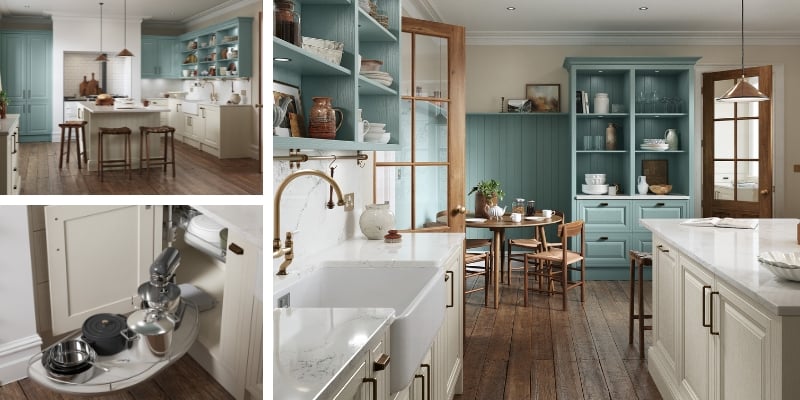
Jacobsen – Taupe Grey and Light Teal
How can designers achieve the right balance between incorporating the aesthetic features customers desire and ensuring the space remains functional and practical for years to come?
Striking the right balance between aesthetics and long-term functionality is at the heart of good design.
The key is to start with a clear understanding of the client’s lifestyle and future needs. Beautiful finishes and trending features should never compromise ergonomics, storage efficiency, or accessibility. This can be achieved by integrating timeless design principles, such as neutral palettes, quality materials, and adaptable layouts with practical elements like durable hardware, smart storage, and allowing for future upgrades.
Ultimately, the goal is to create spaces that not only look stunning today but remain practical, safe, and relevant for years to come.
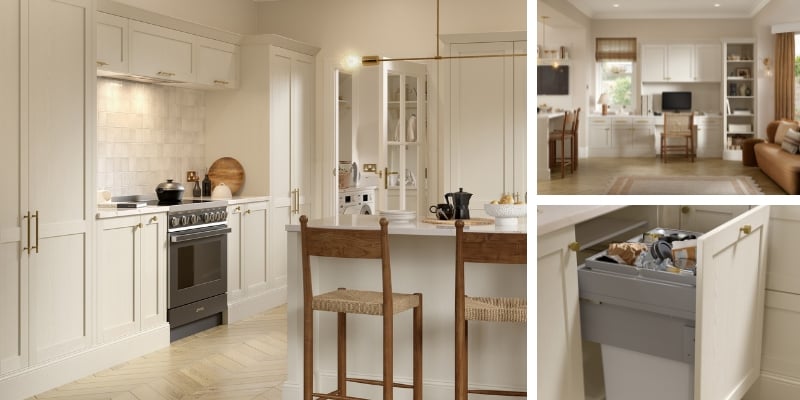
Newcombe – Taupe Grey
How should designers and retailers approach initial conversations about accessible design and future-proofing?
When approaching initial conversations around accessible design and futureproofing, designers and retailers should actively listen to the homeowner’s ideas while prioritising empathy, open-mindedness and inclusivity. It’s important to create a safe and respectful environment where individuals with diverse needs feel comfortable sharing their experiences and providing input.
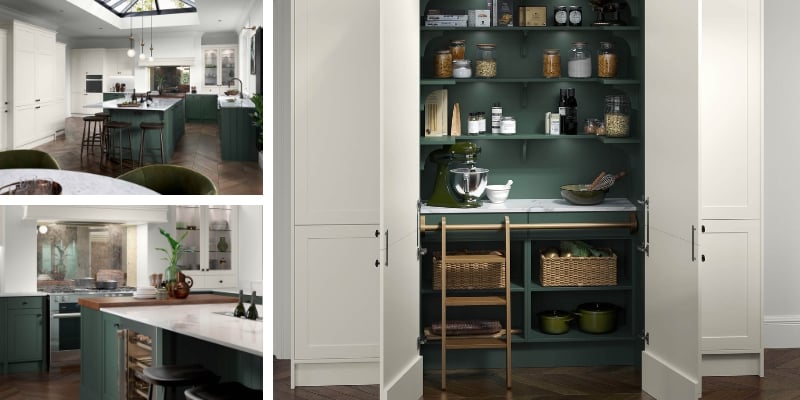
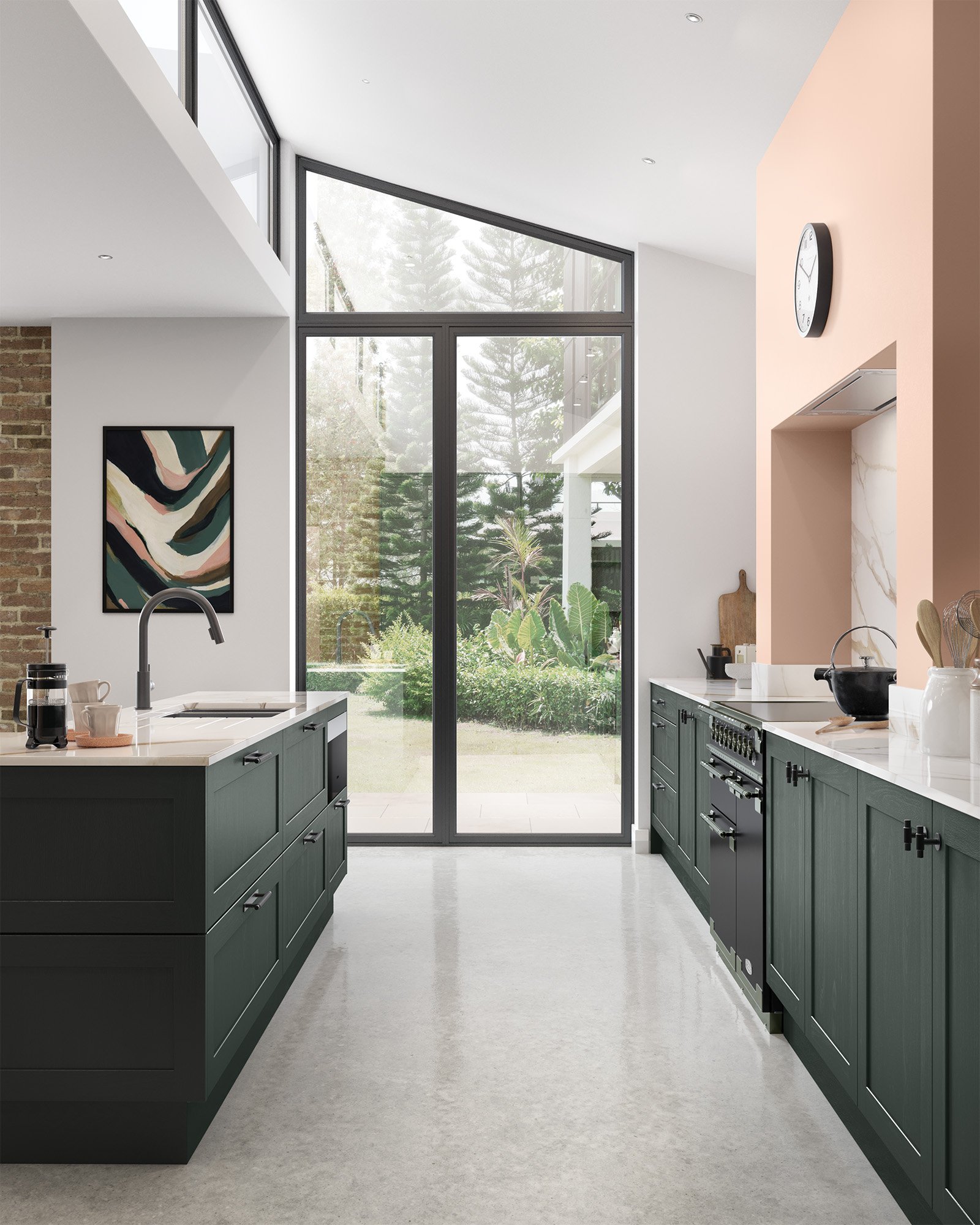
Clifden – Heritage Green and Porcelain
What terminology should be used to communicate effectively and respectfully in discussions about accessibility and inclusive design?
When it comes to multigenerational/accessible kitchen design it’s important to be respectful and inclusive with every homeowner, regardless of circumstances. Kitchen design is about providing the homeowner with a tailored solution that’s specific to their family’s needs for everyday living.
Overall, the goal is to communicate in a way that recognises and respects the dignity and individuality of each person, while being mindful of the impact of language on perceptions and attitudes towards accessibility and inclusion.
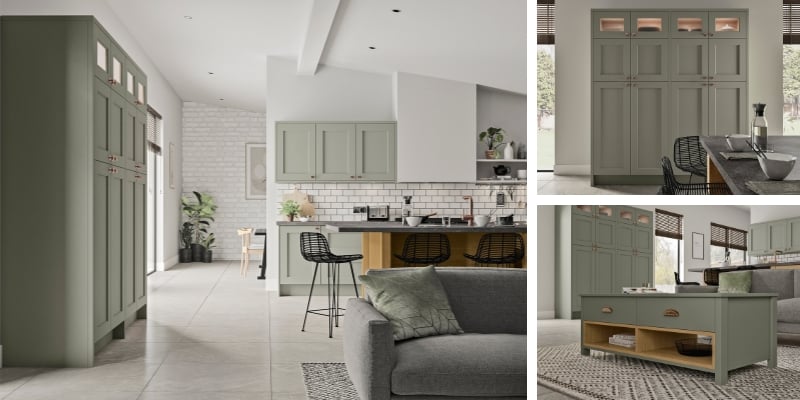
Wakefield – Cardamom and Light Oak
What key considerations should retailers keep in mind when designing a kitchen for a multigenerational household?
When planning a kitchen for a multigenerational home, retailers need to consider several key aspects including accessibility, safety, flexibility, visibility and ergonomics, to ensure the space is functional and accommodating for individuals of different ages and abilities.
This may involve considering the placement of appliances, the height of countertops/storage as well as the design of handles and hardware to optimise comfort and usability.
All 29 of our door styles can be tailored to support multigenerational and accessible kitchen design. Explore our comprehensive door collection here and our Vauth-Sagel storage solutions here.